
- Categories:
- Equipment
Common Signs of Septic System Failure: What Property Owners Should Watch For
A properly functioning septic system works quietly in the background, treating and disposing of wastewater with little attention from the property owner. When problems develop, however, the warning signs are often impossible to ignore.
Recognizing septic system issues early can help prevent expensive repairs, property damage, environmental concerns, and complete system failure. Whether you’re a homeowner, contractor, or property manager, knowing the common signs of septic system failure can help you address problems before they become major headaches.
How a Septic System Works
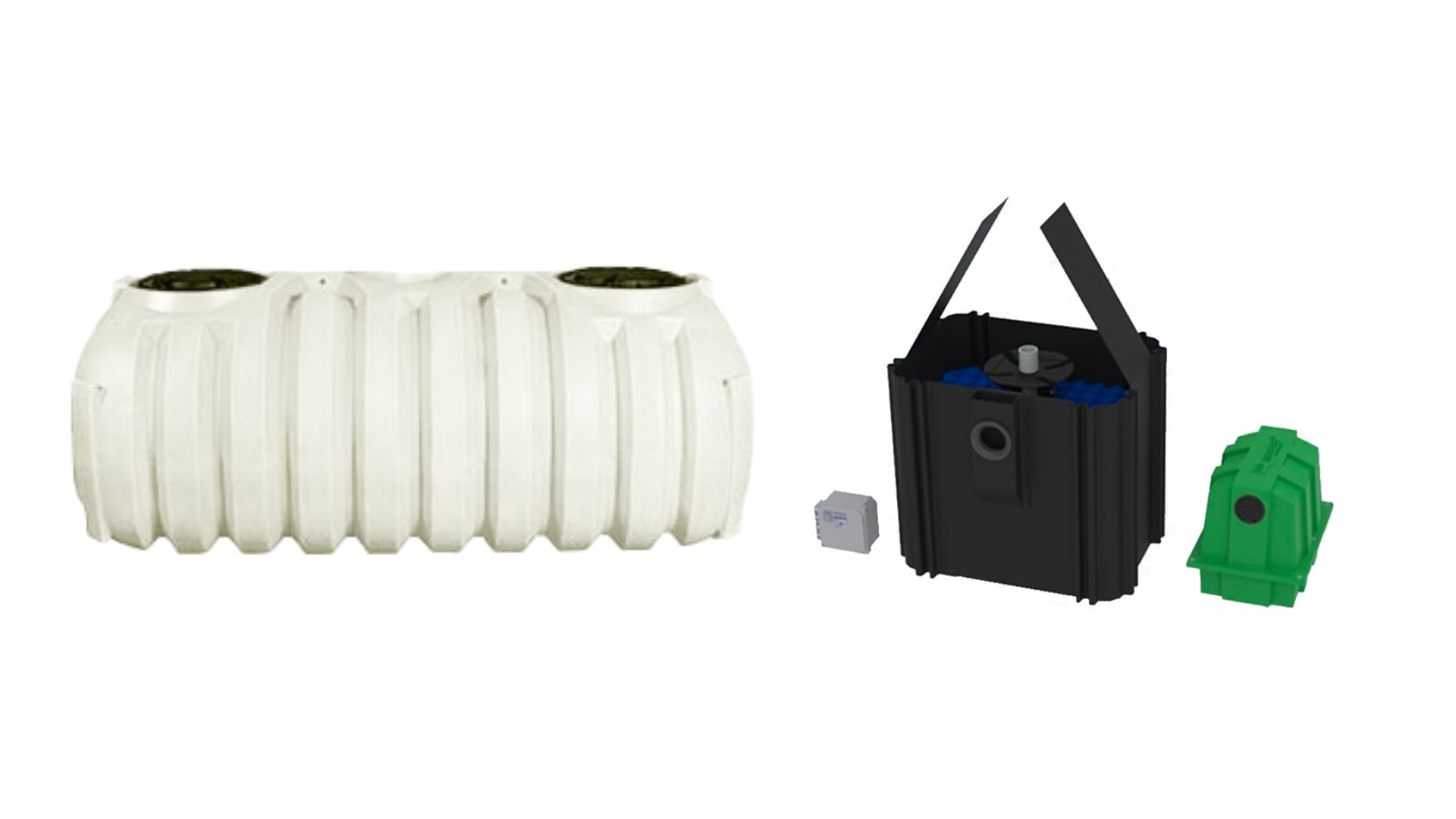
Before identifying potential problems, it helps to understand the basics. Wastewater flows from the home into the septic tank, where solids separate from liquids. Partially treated wastewater then moves into the drainfield, where the surrounding soil provides additional treatment. When any part of this process is disrupted, warning signs often begin to appear.
- Slow Drains Throughout the Home — One of the earliest indicators of septic system trouble is slow drainage: sinks draining slowly, showers backing up, bathtubs taking longer to empty, and toilets flushing sluggishly. While a single slow drain may indicate a local plumbing issue, multiple slow drains throughout the home can suggest a more serious septic problem. Possible causes include a full septic tank, pipe blockage, drainfield issues, or system overload.
- Foul Odors Around the Property — Healthy septic systems should not produce noticeable odors. Persistent sewage smells near the septic tank, the drainfield, outdoor living spaces, or the home’s plumbing fixtures often signal that wastewater is not being properly treated or dispersed. Common causes include a full tank, damaged components, drainfield saturation, or blocked venting systems.
-
Standing Water in the Yard — Puddles or soggy ground around the septic tank or drainfield should never be ignored. Warning signs include wet spots during dry weather, standing water, soft or spongy soil, and unusually saturated areas. When wastewater cannot properly infiltrate the soil, it may begin surfacing above ground.
(Related reading: Septic Tank vs. ATU: Which Wastewater Treatment System Is Right for Your Project?) - Unusually Green or Fast-Growing Grass — A lush green lawn is usually a good thing. However, grass directly over a drainfield that appears darker green, taller, thicker, or faster growing than surrounding areas may indicate wastewater is reaching the surface and fertilizing the turf. While the lawn may look healthy, this often signals an underlying drainage or treatment issue.
- Sewage Backing Up into the Home — This is one of the most obvious and serious signs of septic failure. Backups can occur in toilets, bathtubs, showers, floor drains, and sinks. If sewage begins entering the home, immediate professional evaluation is recommended. Potential causes include a full septic tank, clogged lines, drainfield failure, or system overload.
- Gurgling Sounds in Plumbing Fixtures — Unusual sounds coming from sinks, toilets, or drains — bubbling, gurgling, or air release sounds — may indicate trouble within the septic system. These symptoms can occur when wastewater flow becomes restricted.
- Frequent Plumbing Problems — Recurring plumbing issues such as repeated drain backups, frequent clogging, multiple fixture issues, and slow drainage throughout the home often point to larger system concerns. Temporary fixes may resolve symptoms, but the underlying septic issue should still be investigated.
-
Septic Tank Alarms Activating — Many Aerobic Treatment Units (ATUs) and advanced treatment systems contain alarms designed to alert property owners to operational issues, including pump failures, high water conditions, aerator failures, and electrical problems. Never ignore an activated septic alarm.
(Related reading: Septic Tank vs. ATU: Which Wastewater Treatment System Is Right for Your Project?) - Drainfield Flooding After Rainstorms — Heavy rainfall can reveal weaknesses in an aging or failing system. Watch for water pooling over the drainfield, increased septic odors, slow indoor drainage, and wet areas that remain long after storms. In regions with high groundwater tables, this issue can become especially problematic.
- Increased Nitrate or Bacterial Levels in Well Water — For properties using private wells, water quality testing can reveal hidden septic system issues, including elevated nitrate levels, coliform bacteria, and changes in water quality. If contamination is suspected, both the well and septic system should be evaluated immediately.
Common Causes of Septic System Failure
Understanding the causes can help property owners reduce risk.
- Lack of Maintenance — many failures occur because tanks are not inspected or pumped regularly.
- Excess Water Usage — overloading the system can overwhelm treatment capacity and saturate the drainfield.
- Improper Disposal Practices — avoid flushing grease, wipes, feminine hygiene products, chemicals, and excessive food waste.
- Tree Root Intrusion — roots can enter pipes and disrupt wastewater flow.
- Aging Infrastructure — like any system, septic components eventually wear out and require replacement.
How to Prevent Septic Problems
A few proactive measures can significantly extend system life.
- Schedule routine inspections
- Pump tanks as recommended
- Conserve water
- Keep vehicles off the drainfield
- Direct stormwater away from the system
- Address small issues early
- Follow manufacturer maintenance guidelines
When Should You Call a Professional?
Contact a septic professional if you notice persistent odors, standing water, sewage backups, slow drains throughout the property, septic alarm activation, or drainfield flooding. Early intervention can often prevent more extensive and expensive repairs.
Protect Your Investment
Your septic system is one of the most important infrastructure components on your property. Recognizing the early warning signs of failure can help protect your home, avoid costly repairs, and ensure reliable wastewater treatment for years to come. Whether you’re maintaining a traditional septic tank or an advanced aerobic treatment unit, regular inspections and proper maintenance remain the best defense against unexpected failures.