
- Categories:
- Irrigation
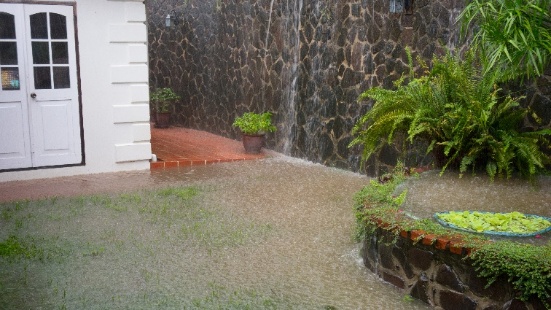
Why Drainage Matters Even More This Year
Many climatologists are closely monitoring the development of what some weather forecasters are calling a potentially “Super” or even “Godzilla” El Niño for the 2026-2027 winter season. Current forecasts suggest a stronger likelihood of increased precipitation and more frequent storm systems across California and portions of the southern United States. (cpc.ncep.noaa.gov, foxla.com, theinertia.com)
For landscape contractors, this presents an opportunity to help homeowners address drainage deficiencies before winter storms arrive. Properties that already experience standing water, erosion, foundation moisture, or saturated planting beds could see those issues worsen during a wetter-than-normal season.
By identifying drainage concerns now and implementing effective stormwater solutions, contractors can help clients avoid costly water damage while protecting landscapes, hardscapes, and structures from excess runoff.
4 Best Practices Every Drainage Pro Should Know: How to Protect Properties from Costly Runoff Problems
Heavy rain can turn a beautiful landscape into a muddy, saturated mess. Standing water, soggy lawns, flooded planting beds, and foundation damage are more than homeowner frustrations — they can lead to costly repairs, safety concerns, and unhappy clients.
For landscape contractors, identifying drainage issues early and recommending effective stormwater solutions can protect property values, improve landscape health, and strengthen client relationships. Here are four proven drainage best practices every contractor should know when evaluating a property to help prevent damage before heavy rainfall hits.
Video: NDS | How to Fix Standing Water on Lawns
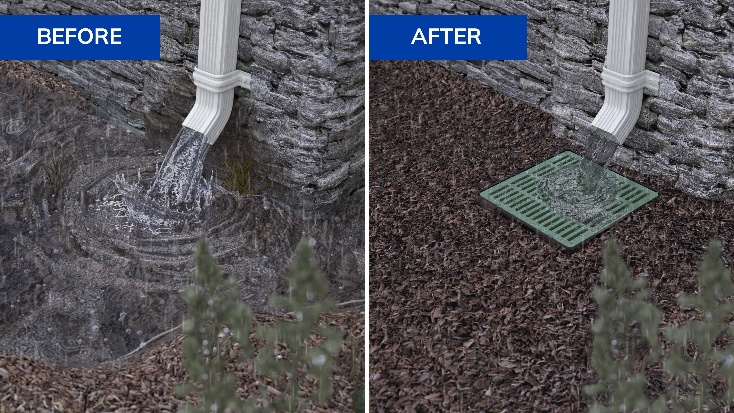
1. Check for mushy areas under downspouts.
A downspout adapter with overflow cleanout or a catch basin can help transition water from the downspout straight to the drainage pipe. NDS Catch Basin kits are ideal solutions as they come with all the components necessary, which helps reduce trips for extra parts. Not only are they lightweight and easy to install, they work stealthily underground (and out of sight) to capture excess stormwater from the surface and convey it to the drainpipe.
If drainage problems are impacting patios, walkways, or other outdoor living areas, check out Adding Drainage to Hardscapes Makes Dollars and Sense.
2. Look for puddles and dying grass.
These are signs that water isn't moving effectively, leaving a muddy mess and creating a breeding ground for mosquitoes and other insects. An ideal solution is the installation of an NDS Flo-Well® dry well in a low spot in the yard — they are great for collecting, detaining and releasing water back into the ground and only need a small amount of gravel at the base of the tank to allow more detention volume.
3. Inspect foundation for signs of cracks and damage.
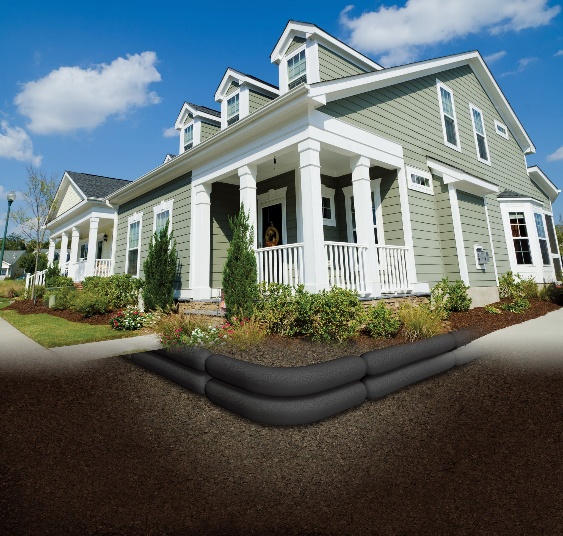
For water that sits too close to a home's perimeter, a great go-to is the NDS EZflow® French Drain system. It's a pre-assembled lightweight bundle that makes transporting materials and installation easier. It features slotted pipe surrounded by aggregate wrapped in geotextile mesh and can help save a property's foundation by keeping water away from the house.
Proper drainage protects more than foundations — it also supports healthier turf and landscapes. Learn more in Essential Agronomic Practices for Healthy Landscapes and Turf.
4. Inspect garden beds for drowning plants.
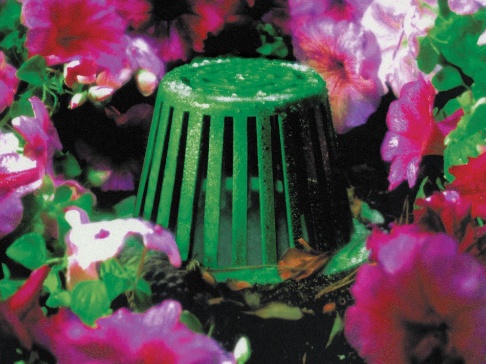
If you notice standing water more than 24 hours after a storm around your client's mulchy areas and vegetable patches, and plants aren't growing and thriving, recommend a Domed atrium grate on a pipe to help convey water away by directing it to a Pop-up Emitter as a point of release. A domed grate allows water to flow through the top while organic debris and mulch is blocked near the base.
These are reliable, cost-effective solutions that will help homeowners have a thriving yard and landscape that they can enjoy all year round.
How Contractors Can Spot Drainage Problems During Site Visits
During every property walkthrough, look for these common indicators:
- Standing water after rainfall
- Erosion and washouts
- Water near foundations
- Damp crawlspaces
- Dying turf
- Plant stress
- Mosquito activity
- Water-stained hardscapes
Identifying these issues early gives contractors an opportunity to recommend solutions before minor problems become expensive repairs.
Build Trust by Solving Problems Before They Get Worse
Effective stormwater management does more than protect landscapes — it protects homes, hardscapes, foundations, and outdoor living spaces. By inspecting downspouts, low spots, foundations, and planting beds, contractors can identify drainage concerns and recommend cost-effective solutions that improve property performance year-round.
With forecasters predicting a potentially wetter winter influenced by El Niño conditions, now is an ideal time to evaluate drainage systems before heavy rains arrive. Whether you're addressing foundation runoff, standing water, or saturated landscape beds, proactive drainage improvements can help homeowners avoid costly repairs and enjoy a healthier landscape year-round.
Need help selecting drainage products for your next project? Visit your local Horizon branch and speak with one of our drainage specialists.
Frequently Asked Questions
What causes standing water in a yard?
Standing water is often caused by poor grading, compacted soil, inadequate drainage infrastructure, or excessive runoff from roofs and hardscapes.
How long should water remain in a yard after rain?
Most surface water should drain within 24 hours. Longer periods may indicate a drainage issue.
When should a French drain be installed?
French drains are often recommended when groundwater or runoff repeatedly collects near foundations, retaining walls, or low areas.
What is the difference between a catch basin and a dry well?
A catch basin collects and conveys water through a drainage pipe, while a dry well temporarily stores water and allows it to infiltrate into the surrounding soil.
How can landscape contractors identify drainage problems?
Look for puddles, erosion, foundation moisture, unhealthy turf, drowning plants, and signs of water damage throughout the property.