
- Categories:
- Equipment
Why Adding Drainage to Hardscape Projects Makes Dollars and Sense
A beautiful patio, driveway, pool deck, or courtyard can quickly become a homeowner’s biggest frustration if water has nowhere to go.
As outdoor living spaces continue to grow in popularity, landscape contractors are installing more hardscape features than ever before. The challenge is that every new concrete, paver, or stone surface creates another impervious area that sheds water rather than absorbing it.
Without proper drainage, even a high-quality hardscape installation can develop puddles, erosion, slippery surfaces, foundation concerns, and costly callbacks. For contractors, incorporating drainage into hardscape projects doesn’t just protect the property — it creates opportunities to increase project value, improve customer satisfaction, and establish long-term trust.
Why Hardscape Drainage Should Never Be an Afterthought
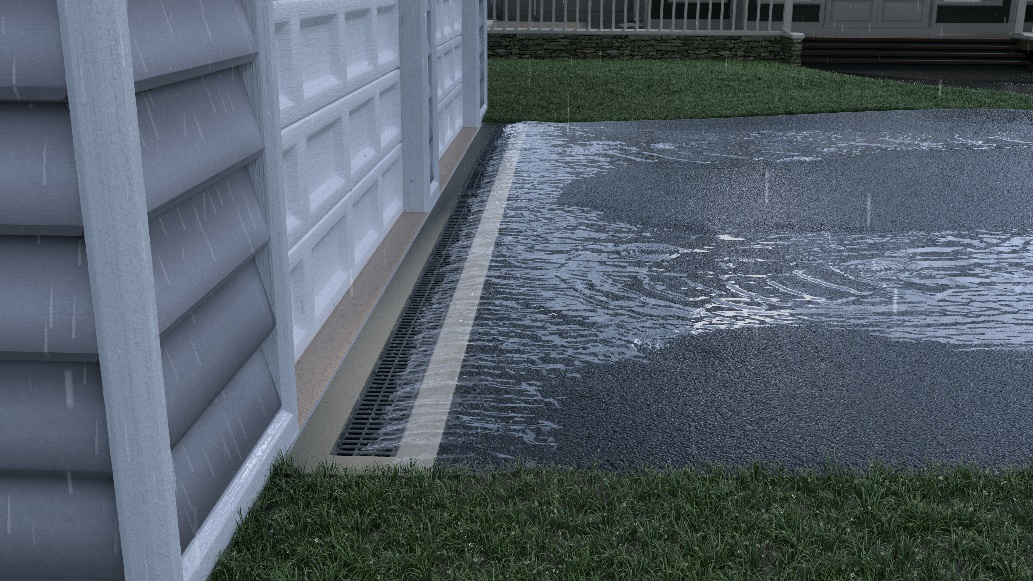
Many drainage issues begin when runoff is not considered during the design phase. Common problem areas include driveways, patios, pool decks, walkways, courtyards, outdoor kitchens, and parking areas. When water cannot infiltrate the soil naturally, it seeks the path of least resistance.
The results often include:
- Standing water
- Slippery surfaces
- Soil erosion
- Foundation moisture
- Stained hardscapes
- Landscape damage
- Mosquito breeding areas
- Premature hardscape deterioration
Addressing drainage during installation is significantly less expensive than retrofitting a system after problems develop.
Drainage is a Revenue Opportunity for Contractors
Drainage isn’t just a problem to solve. It’s often an additional service to provide. When contractors proactively identify drainage concerns, they position themselves as trusted advisors rather than simply installers.
Benefits include:
- Higher project values
- Increased profitability
- Additional product sales
- Fewer warranty callbacks
- Stronger client relationships
- More referral opportunities
Many homeowners don’t realize drainage is needed until water problems appear. Contractors who educate clients during the design process help prevent future issues while delivering better results.
Start Every Hardscape Project with a Water Management Plan
Before selecting materials or laying pavers, ask a simple question: Where will the water go?
Evaluating runoff paths early can help identify:
- Low spots
- Drainage bottlenecks
- Adjacent structures
- Existing drainage infrastructure
- Soil infiltration limitations
Every hardscape project should include a basic stormwater management plan, even on smaller residential installations.
Site Assessment Checklist
Before beginning construction, inspect for:
- Existing standing water
- Poor grading
- Downspout discharge locations
- Foundation drainage concerns
- Erosion areas
- Soil compaction
- Existing drainage systems
Related Reading: 4 Best Practices Every Drainage Pro Should Know: How to Protect Properties from Costly Runoff Problems
Choosing the Right Channel Drain
Channel drains remain one of the most effective solutions for capturing and redirecting surface runoff from hardscape surfaces. Because every project is different, selecting the right system begins with understanding the site’s unique requirements.
Consider the Application
Different hardscape environments create different drainage demands.
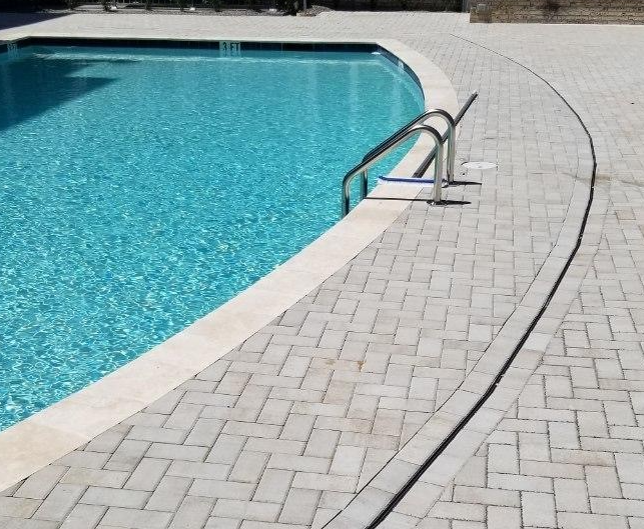
- Pool Decks — Focus on slip resistance, pedestrian traffic, aesthetics, and corrosion resistance.
- Patios and Courtyards — Focus on surface runoff capture, visual integration, and debris management.
- Driveways and Parking Areas — Focus on vehicle load ratings, higher runoff volumes, and long-term durability.
- Commercial Plazas — Focus on high pedestrian traffic, appearance, maintenance access, and stormwater capacity.
Calculate Runoff Volume
One of the most common mistakes is undersizing the drainage system. When evaluating channel drain options, consider:
- Drainage area size
- Surface slope
- Local rainfall intensity
- Soil conditions
- Downstream discharge capacity
Larger drainage areas typically require wider or deeper channels capable of handling heavier flow rates.
Pro Tip: Remember that the channel drain is only one component of the system. Your underground piping, catch basins, emitters, and discharge points must also be sized appropriately.
Verify Load Ratings
Not all drains are built for the same conditions.
- Pedestrian Applications — Suitable for residential patios, pool decks, and walkways.
- Vehicle Applications — Suitable for driveways, parking lots, and service areas.
Choosing the proper load rating helps prevent future structural failures and costly repairs.
Select the Right Grate Material
The grate is often the most visible component of the drainage system. Options may include:
- Plastic — Lightweight, cost-effective, corrosion-resistant.
- Aluminum — Attractive appearance, durable, lightweight.
- Galvanized Steel — Higher strength, suitable for heavier loads.
- Decorative Metal Options — Premium aesthetics, architectural applications, luxury outdoor living spaces.
Selecting the right grate balances durability, appearance, maintenance requirements, and budget.
Plan for Complete System Integration
A successful drainage project involves more than a channel drain. Additional components may include catch basins, drain pipe, dry wells, pop-up emitters, drain fittings, and cleanouts. Thinking through the entire water pathway helps ensure water is effectively collected, conveyed, and discharged.
Common Hardscape Drainage Mistakes to Avoid
- Installing Drainage After Problems Occur — Drainage should be part of the design phase, not a repair strategy.
- Undersizing the System — Even the best drain will fail if runoff exceeds design capacity.
- Ignoring Downstream Discharge — Water must have a safe destination once it enters the drainage system.
- Inadequate Surface Slope — Drainage systems work best when hardscape surfaces are properly graded.
- Forgetting Maintenance Access — Future maintenance should be considered during installation to simplify cleaning and inspections.
Drainage Protects More Than Hardscapes
Proper drainage helps protect turf areas, planting beds, foundations, retaining walls, outdoor living features, and irrigation investments. When water is managed effectively, landscapes perform better, maintenance costs decrease, and clients enjoy their outdoor spaces longer.
Tap Into the Right Tools
If you are unsure about the exact product or design needed, reach out to the NDS Design Worx® team through the NDSpro.com website. They provide comprehensive support that will help save costs and remove the guesswork. By understanding the importance of adding proper drainage into your client’s projects, you will protect the beauty and functionality of the finished product plus build trust with your client.
Related Resources
- 4 Best Practices Every Drainage Pro Should Know
- Essential Agronomic Practices for Healthy Landscapes and Turf
- More Than a Supplier
For more information, check out these resources:
Frequently Asked Questions
Do all hardscape projects need drainage?
Virtually every hardscape installation should include a plan for managing runoff. The size and complexity of the drainage system will vary depending on the project.
What causes water pooling on patios?
Pooling typically results from inadequate slope, poor drainage design, soil settlement, or insufficient runoff management.
Are channel drains necessary around pools?
Channel drains are commonly used around pools to capture surface water, improve safety, and help prevent standing water.
How do contractors determine the correct drain size?
Sizing depends on drainage area, rainfall intensity, runoff volume, slope, and discharge capacity.
Can drainage increase project profitability?
Yes. Drainage solutions often add value to hardscape projects while helping contractors solve long-term property challenges and reduce future callbacks.