
- Categories:
- Landscaping
10 Easy Steps for Successful Winter Overseeding of Warm-Season Lawns
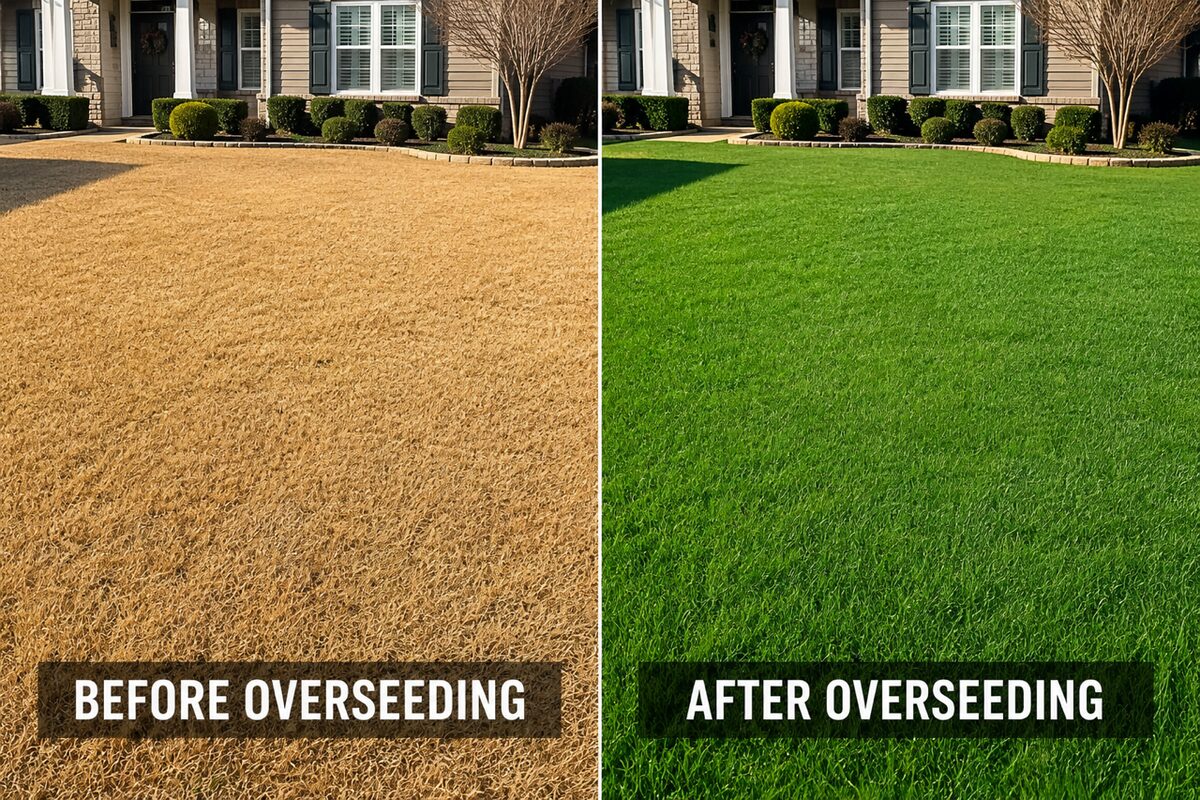
For landscape professionals throughout the Southwest, winter overseeding is one of the most effective ways to maintain green, attractive turf during the dormant season.
When performed correctly, overseeding warm-season grasses such as Bermuda grass with perennial ryegrass provides color, density, and usability throughout the winter months. However, successful overseeding requires much more than simply spreading seed — proper preparation before seeding is often the difference between excellent establishment and disappointing results.
Follow these ten proven steps to improve germination, maximize seed-to-soil contact, and encourage a healthy transition into winter.
Why Winter Overseeding Matters
As temperatures cool, warm-season turfgrasses begin entering dormancy and naturally lose their green color. Overseeding with perennial ryegrass offers several benefits:
- Maintains a green appearance during winter
- Improves aesthetics for residential and commercial properties
- Provides playable turf on sports fields
- Reduces bare areas
- Enhances customer satisfaction throughout the dormant season
Proper preparation helps ensure ryegrass establishes quickly while minimizing competition from the existing warm-season turf.
Before Overseeding
- Perform your last aggressive dethatching 6 weeks before overseeding. Excessive thatch can prevent seed from reaching the soil surface and interfere with germination. Dethatching approximately six weeks before overseeding allows warm-season turf adequate recovery time before winter dormancy begins. Avoid aggressive dethatching immediately before overseeding, as it can weaken the existing turf and reduce spring recovery potential. (Related reading: Dethatching in Turf)
- Stop nitrogen applications four weeks before overseeding. Nitrogen encourages active growth in warm-season turf. The goal before overseeding is to gradually slow the existing turf so it does not aggressively compete with newly germinating ryegrass seedlings.
- Stop mowing approximately 10 days before overseeding. Allowing the existing turf to gain some height prior to final preparation helps maintain plant health while providing flexibility when making final canopy adjustments before seeding.
- Reduce irrigation by about 50% one week before overseeding. Excess moisture encourages continued growth of warm-season turf. The objective is not to create drought stress but to encourage the turf to begin transitioning toward dormancy.
- Lower the mowing height 3-4 days before seeding. Gradually lowering the mowing height exposes more of the soil surface and begins opening the turf canopy. Avoid removing too much leaf tissue at once, as excessive scalping can stress the turf.
Day of Overseeding
- Lower the mowing height again. Make a second reduction in mowing height on the day of overseeding. The thinner canopy allows more sunlight to reach emerging seedlings and improves seed-to-soil contact.
- Remove all clippings and debris. A clean surface helps seed reach the soil profile rather than becoming trapped in the turf canopy. Good seed-to-soil contact remains one of the most important factors in successful overseeding.
- Broadcast the seed evenly. Apply seed uniformly across the turf area using properly calibrated equipment. Always follow the seed supplier’s recommended application rate for the turf use and desired appearance. Pro Tip: Many contractors find that applying seed in two directions improves overall coverage and consistency.
- Apply a starter fertilizer. New seedlings require readily available nutrients to establish healthy roots. A starter fertilizer such as TurfGro® 6-20-10 ProStarter provides phosphorus and other nutrients that support early germination and root development.
- Apply a light seed cover. Cover seed with approximately ⅛ to ¼ inch of fine mulch or seed topper to retain moisture, protect seed from birds, moderate temperature fluctuations, and improve germination rates. Avoid applying excessive mulch depth, which can hinder emergence.
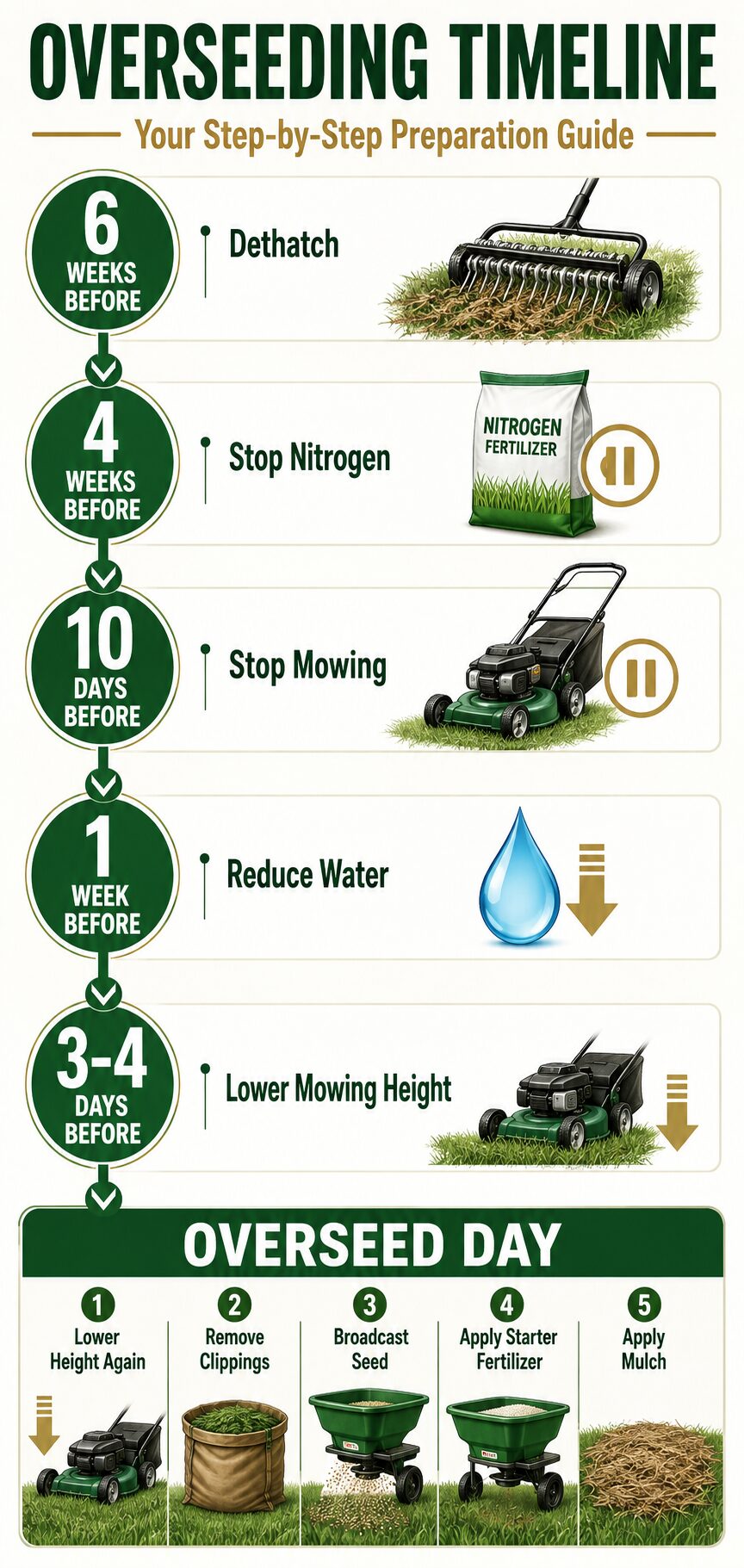
The key to a successful winter overseed is to slow the warm-season turf down enough that it is not competing with the ryegrass that is trying to establish. So it is very important to back off in fertilizer, mowing height, and water prior to the actual overseed date.
Post-Overseeding Success Tips
Once seed has been applied, successful establishment depends on proper management.
- Maintain consistent moisture — the seedbed should remain moist during germination. Frequent, light irrigation cycles are typically more effective than infrequent heavy watering during establishment.
- Limit traffic — reduce foot and equipment traffic until seedlings become firmly established.
- Monitor germination — most ryegrass varieties begin germinating within several days under favorable conditions, though timing varies depending on temperature and moisture.
- Adjust irrigation as turf matures — as roots develop, gradually transition to deeper, less frequent irrigation cycles to encourage stronger root systems.
When preparation is done correctly, landscape professionals can deliver the dense, green winter turf their customers expect while supporting a smoother transition back to warm-season growth in the spring.
Common Winter Overseeding Mistakes to Avoid
Even the best seed and fertility program can produce disappointing results if critical preparation steps are skipped.
- Overseeding too early — if Bermudagrass is still actively growing, it will compete aggressively with emerging ryegrass seedlings for water, nutrients, sunlight, and space. The fix: monitor nighttime temperatures and turf growth patterns before beginning preparations.
- Not lowering mowing height enough — a thick canopy prevents seed from reaching the soil and blocks sunlight needed for germination. The fix: gradually lower mowing heights during the preparation period and perform a final low mow on overseeding day.
- Leaving clippings on the surface — grass clippings create a barrier between the seed and the soil. The fix: remove all clippings and debris before seed application.
- Applying too much water too soon — overwatering can create seed movement, ponding, disease pressure, and uneven establishment. The fix: use frequent light irrigation cycles during germination and gradually transition to deeper watering as roots develop.
- Not using a starter fertilizer — skipping starter fertilizer often leads to slow establishment, weak root systems, and delayed green-up. The fix: apply a quality starter fertilizer at seeding.
- Using too much seed — excessive seeding rates can create increased disease pressure and poor air circulation. The fix: follow recommended seeding rates for the specific ryegrass variety and intended use.
- Ignoring soil compaction — compacted soils can reduce germination success, root development, and water infiltration. The fix: evaluate the site before overseeding and incorporate aeration into the management program if compaction is present.
- Overseeding turf with excessive thatch — a heavy thatch layer traps seed above the soil surface. The fix: perform dethatching several weeks before overseeding when needed. (Related reading: Dethatching in Turf)
- Applying nitrogen too close to overseeding — nitrogen stimulates Bermudagrass growth and increases competition with newly germinating ryegrass. The fix: stop nitrogen applications approximately four weeks before overseeding.
- Treating every property the same — shade, traffic, irrigation coverage, drainage, and soil condition can all impact overseeding success. The fix: evaluate each property’s unique conditions and adjust seeding, irrigation, and fertility practices accordingly.
Quick Overseeding Success Checklist
Before overseeding, confirm:
- Excessive thatch has been removed
- Soil compaction has been addressed
- Nitrogen applications have been reduced
- Irrigation has been adjusted
- Mowing heights have been lowered
- Clippings have been removed
- Seed-to-soil contact is optimized
- Starter fertilizer is ready
- Irrigation schedule is prepared
- Weather conditions are favorable
The most common overseeding mistake is allowing warm-season turf to remain too aggressive before seeding. Successful winter overseeding starts by gradually slowing Bermuda and other warm-season grasses through careful reductions in fertility, irrigation, and mowing height — minimizing competition and allowing ryegrass seedlings to establish quickly and uniformly.
Recommended Seeding Rates
Use the reference guide below as a starting point when calculating seed for new establishment or repair.
Bermuda
New: 2-3 lbs./1,000 sq. ft.
Repair: 0.5-1.5 lbs./1,000 sq. ft.

Blue/Rye Mix
New: 4-6 lbs./1,000 sq. ft.
Repair: 3-4 lbs./1,000 sq. ft.
Tall Fescue
New: 8-10 lbs./1,000 sq. ft.
Repair: 6-8 lbs./1,000 sq. ft.
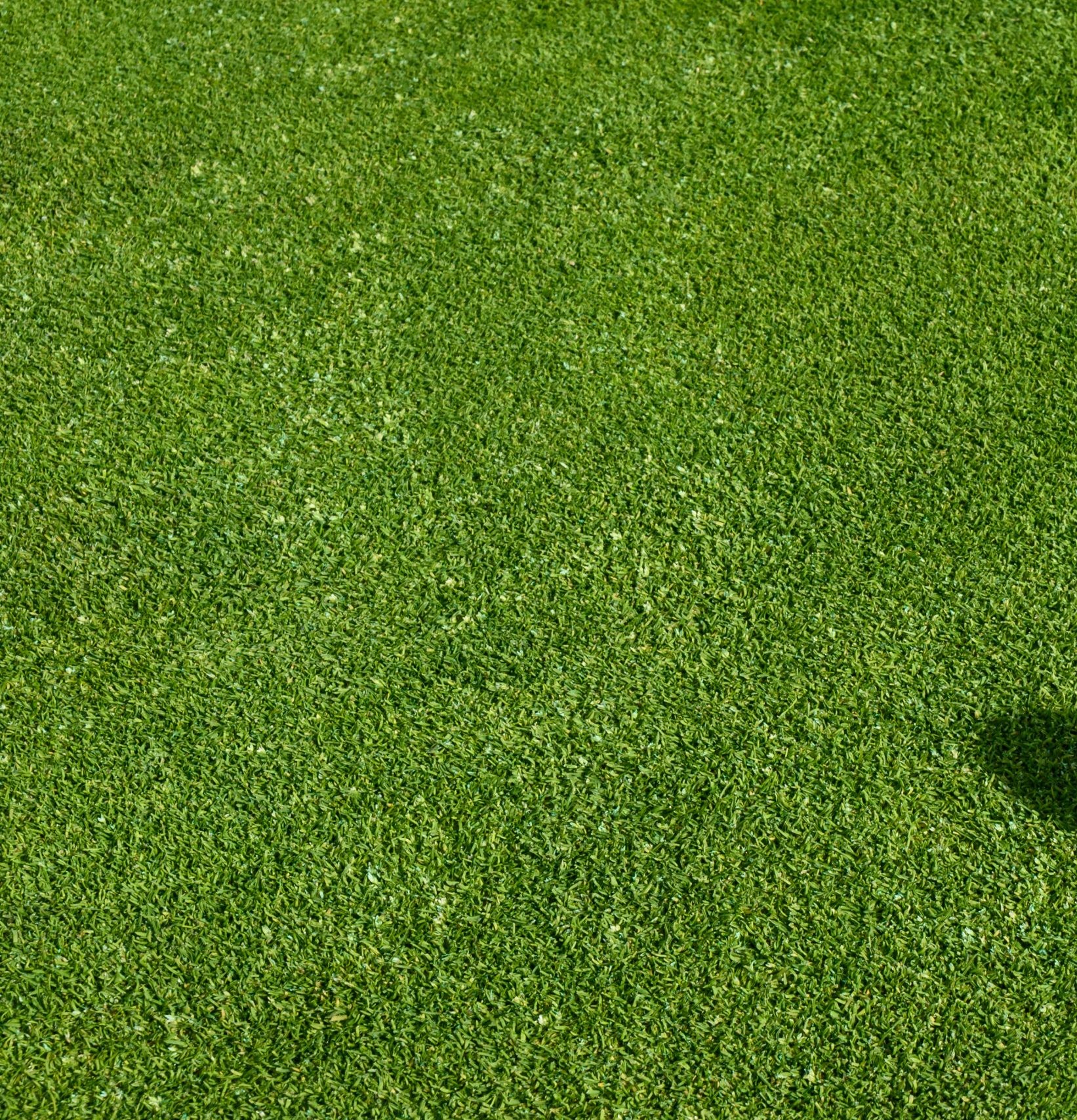
Bentgrass
New: 1-1.5 lbs./1,000 sq. ft.
Repair: 2-3 lbs./1,000 sq. ft.
Perennial Ryegrass
New: 7-10 lbs./1,000 sq. ft.
Repair: 6-8 lbs./1,000 sq. ft.
Overseeding of Bermuda: 10-14 lbs./1,000 sq. ft.
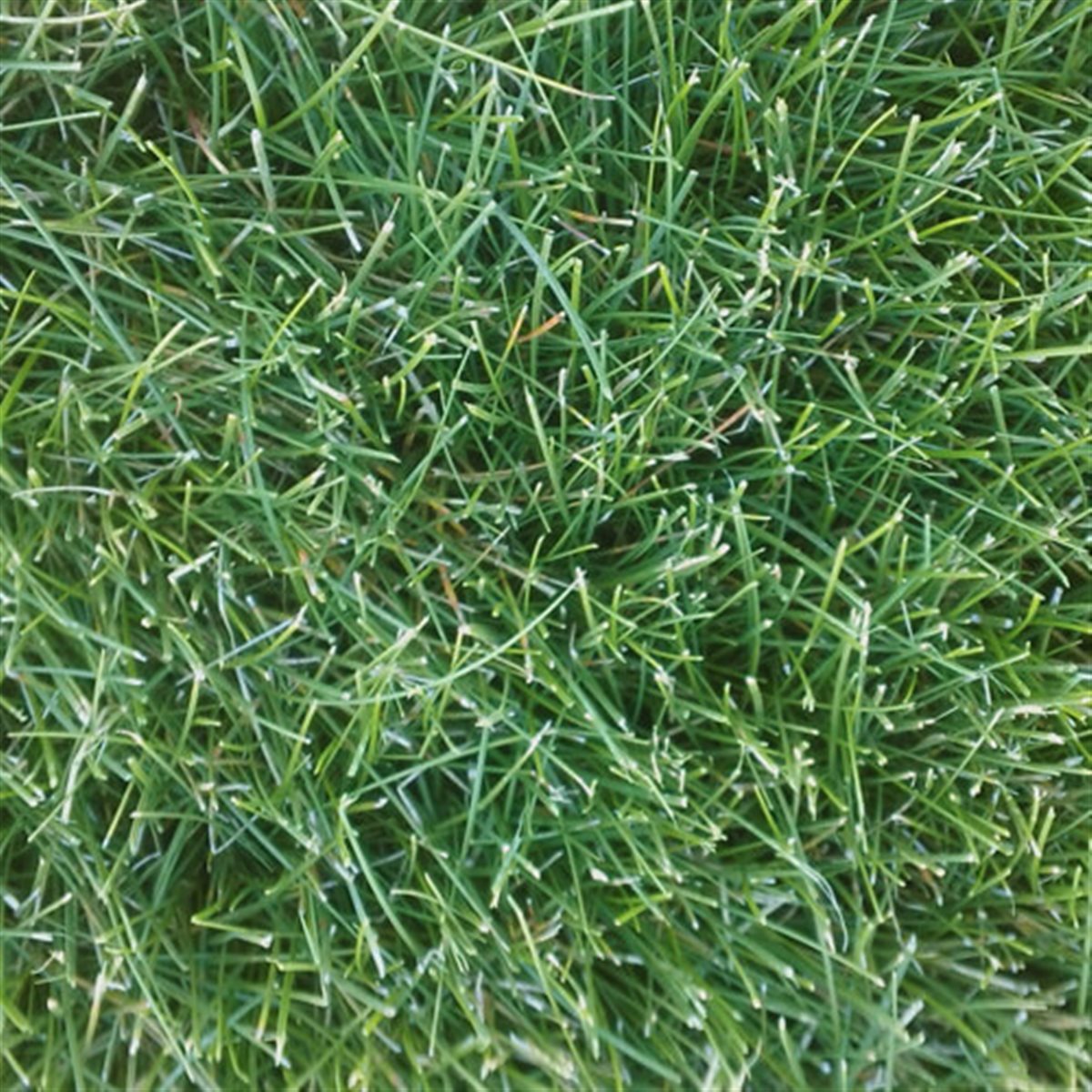
Fine Fescue or Rye/Fine Fescue Mix grass
New: 4-6 lbs./1,000 sq. ft.
Repair: 3-5 lbs./1,000 sq. ft.
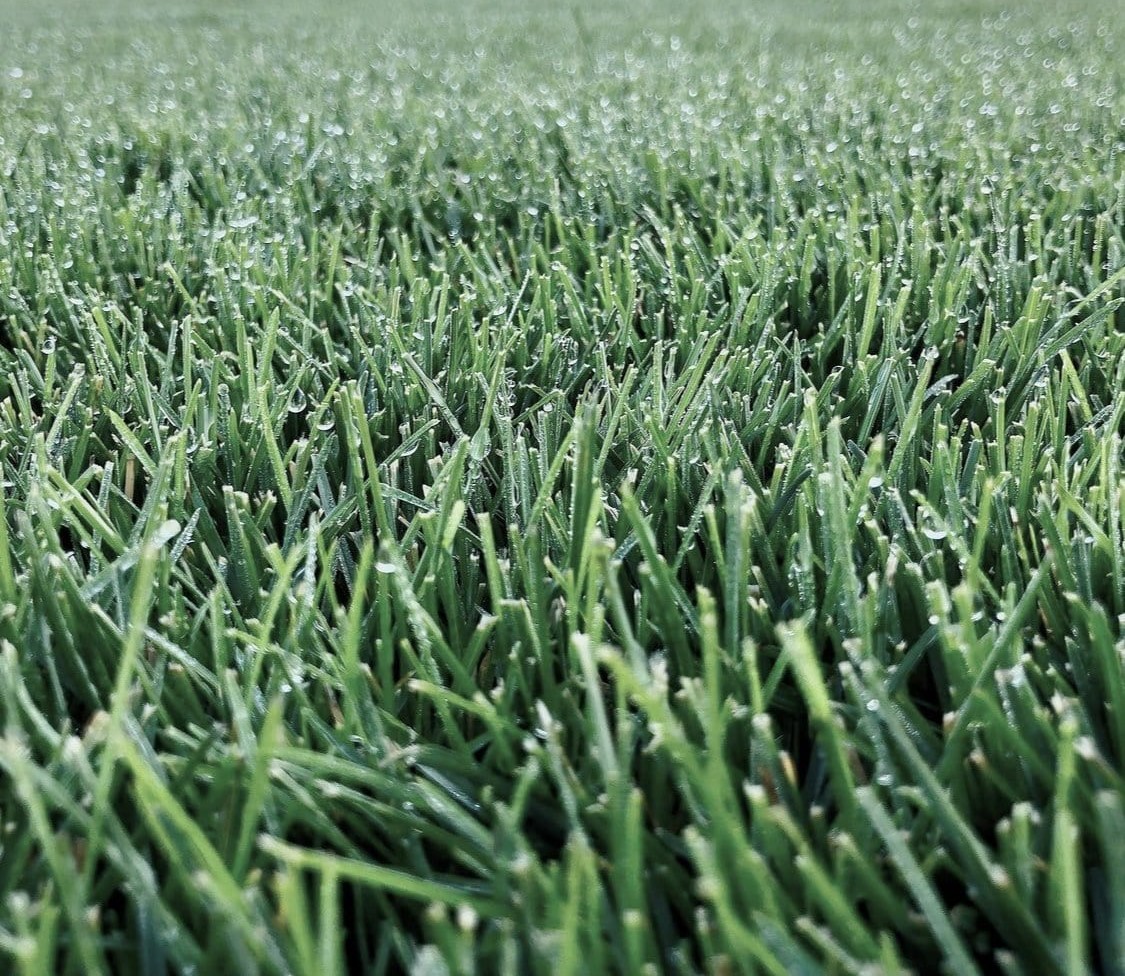
Tall Fescue/KY Bluegrass Mix (East of Cascades)
New: : 6-9 lbs./1,000 sq. ft.
Repair: 4-5 lbs./1,000 sq. ft.
Related Resources
- Essential Agronomic Practices for Healthy Landscapes and Turf
- Dethatching in Turf
- 4 Best Practices Every Drainage Pro Should Know
- More Than a Supplier
FAQ
When should warm-season lawns be overseeded?
Overseeding is typically performed in the fall when temperatures are cooling and warm-season grasses begin transitioning toward dormancy.
What is the best grass for winter overseeding?
Perennial ryegrass is commonly used because it establishes quickly, provides excellent winter color, and performs well in many overseeding applications.
Should I fertilize before overseeding?
Nitrogen applications are typically reduced or stopped several weeks before overseeding to limit competition from warm-season turf. Starter fertilizer is generally applied at seeding.
Is dethatching necessary before overseeding?
If excessive thatch is present, dethatching can improve seed-to-soil contact and help increase establishment success.
How high should seed cover be after overseeding?
A light covering of approximately ⅛ to ¼ inch is usually sufficient to help retain moisture while still allowing seedlings to emerge easily.