
- Categories:
- Lighting
- Construction
- Outdoor Living
LED Landscape Lighting: How to Choose Quality Lamps That Last
When it comes to landscape lighting, not all LED lamps are created equal.
A quick online search will reveal hundreds of low-cost LED options that promise bright light, long life, and unbeatable pricing. While these products may look similar on the surface, the difference between professional-grade LED lamps and bargain alternatives can have a significant impact on performance, reliability, and customer satisfaction.
For landscape contractors, a few dollars saved upfront can quickly turn into costly callbacks, warranty claims, and disappointed customers. Here are the key factors every contractor should consider when selecting LED landscape lighting lamps.
Why LED Lamp Quality Matters
Your lighting fixtures are only as good as the lamps installed inside them. High-quality LED lamps deliver:
- Consistent color temperature
- Uniform light output
- Longer operating life
- Improved energy efficiency
- Better safety and reliability
- Reduced maintenance requirements
Low-cost alternatives often sacrifice quality control and durability to achieve a lower selling price. The result can be inconsistent lighting performance, premature failures, and unnecessary service calls. A well-designed lighting system depends not only on quality lamps but also on proper installation and maintenance practices. Contractors looking to improve overall system performance should also review our guide to Finishing the Job with Edging for additional tips on creating polished, professional landscape installations.
Buy from a Trusted Distributor
Even the best products occasionally require support. When purchasing lighting products from an established distributor, contractors gain access to knowledgeable professionals who can help with:
- Product selection
- Troubleshooting
- Warranty support
- Returns and replacements
- Technical questions
Having a local partner can save valuable time when issues arise and helps keep projects moving forward. Working with a distributor that understands contractor needs can provide far more value than simply supplying products. Learn more in More Than a Supplier, where we discuss how support, expertise, and service contribute to contractor success.
Warranty and Real-World Longevity
Many inexpensive LED lamps advertise impressive lifespans, but reading the fine print tells a different story. Some products claim to last 20 years based on limited daily usage assumptions. If those operating conditions are exceeded, actual lifespan may be significantly shorter.
Professional-grade lighting manufacturers stand behind their products with warranties and realistic performance expectations. When a manufacturer offers a multi-year warranty and publishes life expectancy data, contractors can install products with greater confidence.
Understanding LED Binning
One of the most overlooked aspects of LED quality is a process known as binning. LEDs are manufactured in batches, and individual chips can vary in color temperature and brightness. During binning, manufacturers sort LEDs into groups that meet strict specifications, helping ensure consistent color output throughout a lighting system.
Without proper binning:
- One fixture may appear warmer than another.
- Light color may vary throughout the property.
- The overall installation can look uneven and unprofessional.
For landscape lighting projects, consistency matters. Homeowners notice when one fixture appears noticeably different from the others.
Consistent Light Output Matters
Brightness consistency is just as important as color consistency. Quality manufacturers test their lamps to ensure each unit produces the expected lumen output, helping create a balanced lighting design where every fixture performs as intended.
Poor-quality lamps may vary significantly from one unit to another, resulting in:
- Uneven illumination
- Hot spots
- Dark areas
- Customer dissatisfaction
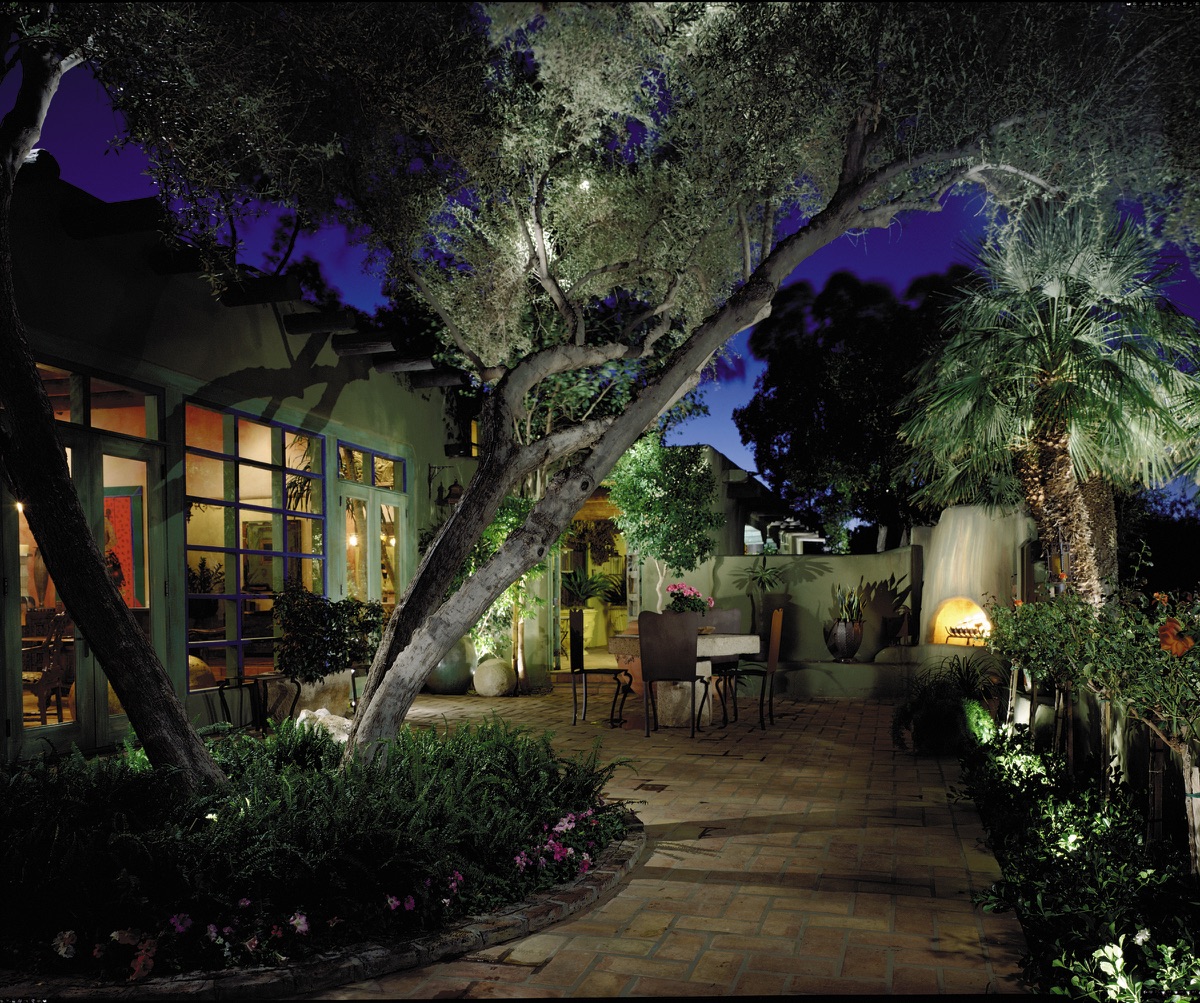
When illuminating architectural features, specimen trees, pathways, or outdoor living spaces, uniform light levels help create a polished, professional appearance.
The Importance of Thermal Management
LED technology is highly efficient, but LEDs still generate heat. Proper thermal management is essential to maintaining lamp performance and extending service life.
Professional-grade LED lamps incorporate engineered heat sinks that dissipate heat effectively. Inexpensive alternatives often use lower-quality materials and designs that cannot manage heat as efficiently.
Poor thermal management can lead to:
- Reduced light output
- Color shifting
- Premature failure
- Shortened lifespan
A quality heat sink helps protect your investment and ensures long-term reliability.
Outdoor and Enclosed Fixture Ratings
Landscape lighting operates in demanding environments. Moisture, temperature fluctuations, dust, and enclosed fixture conditions all place stress on electrical components.
Before installing any LED lamp, verify that it is rated for:
- Outdoor use
- Enclosed fixtures
- Landscape lighting applications
Many budget lamps are designed primarily for indoor applications and may not withstand the conditions commonly found in landscape lighting systems.
Safety Certifications Matter
Safety certifications provide confidence that products have been tested to established industry standards. Look for lamps that carry recognized certifications such as:
- UL Listed
- cUL Listed
- ETL Listed
These certifications indicate that products have undergone testing for safety and performance requirements. Products lacking recognized safety certifications may not meet the same standards and can present increased risk.
FCC Compliance Is Often Overlooked
Another important consideration is FCC compliance. LED products contain electronic components that can generate electromagnetic interference if not properly designed. FCC-compliant products help reduce the risk of interference with nearby electronic devices and demonstrate that the manufacturer has met additional testing requirements.
Voltage Range and System Performance
Landscape lighting systems frequently experience voltage variations across long wire runs. Professional-grade LED lamps are often designed to operate consistently across a broader voltage range, helping maintain:
- Stable light output
- Consistent performance
- Improved durability
This becomes especially important on larger installations where voltage fluctuations can affect fixture performance.
Why Professional Contractors Choose Professional-Grade Lighting
Every landscape lighting installation reflects on the contractor who designed and installed it. Using quality LED lamps helps contractors:
- Reduce callbacks
- Improve customer satisfaction
- Protect profitability
- Deliver more consistent results
- Build long-term client relationships
The lowest-priced lamp is rarely the lowest-cost solution when maintenance, replacements, and warranty issues are considered. Successful contractors continually invest in better tools, products, and business practices. For operational insights, read 3 Practical Ways Landscape Contractors Can Use AI to Boost Productivity.
Choose LED Lamps You Can Trust
When evaluating LED landscape lighting products, look beyond the package and the price tag. Product support, warranty protection, color consistency, thermal management, safety certifications, and long-term performance all contribute to a successful installation.
At Horizon, we partner with trusted manufacturers and provide professional contractors with reliable products, technical support, and the expertise needed to complete lighting projects with confidence.
Need help selecting the right LED lamps for your next project? Stop by your local Horizon store and speak with one of our lighting specialists.