
- Categories:
- Fertilizer
How to Choose the Right Fertilizer Program for Healthier Turf and Higher Profits
For landscape professionals, fertilizer is one of the largest annual investments in a turf management program. Yet many buying decisions are still made by comparing bag prices alone.
The reality is that two fertilizers with similar NPK ratings can perform very differently in the field. The right fertilizer program affects turf quality, customer satisfaction, labor requirements, water efficiency, and ultimately the profitability of your business.
The question isn’t simply, “What does the bag cost?” The better question is: “What will this fertilizer program cost me over an entire season, and what results will it produce?”
Understanding what is inside the bag and how those nutrients are delivered to the plant can help landscape professionals make better decisions for both their customers and their bottom line.
Why Fertilizer Selection Matters
Most contractors examine three things when choosing fertilizer:
- Price per bag
- NPK analysis
- Application rate
While those factors are important, they only tell part of the story. Top-performing contractors also evaluate:
- Nutrient efficiency
- Release characteristics
- Micronutrient content
- Soil health benefits
- Longevity
- Labor savings
- Customer expectations
A fertilizer program should do more than make the lawn green for a few weeks. It should create healthy, resilient turf that performs consistently throughout the season.
The Difference Between Cost and Value
The true cost of a fertilizer program includes much more than the purchase price.
Understanding NPK: What’s in the Bag
Reading the Fertilizer Label
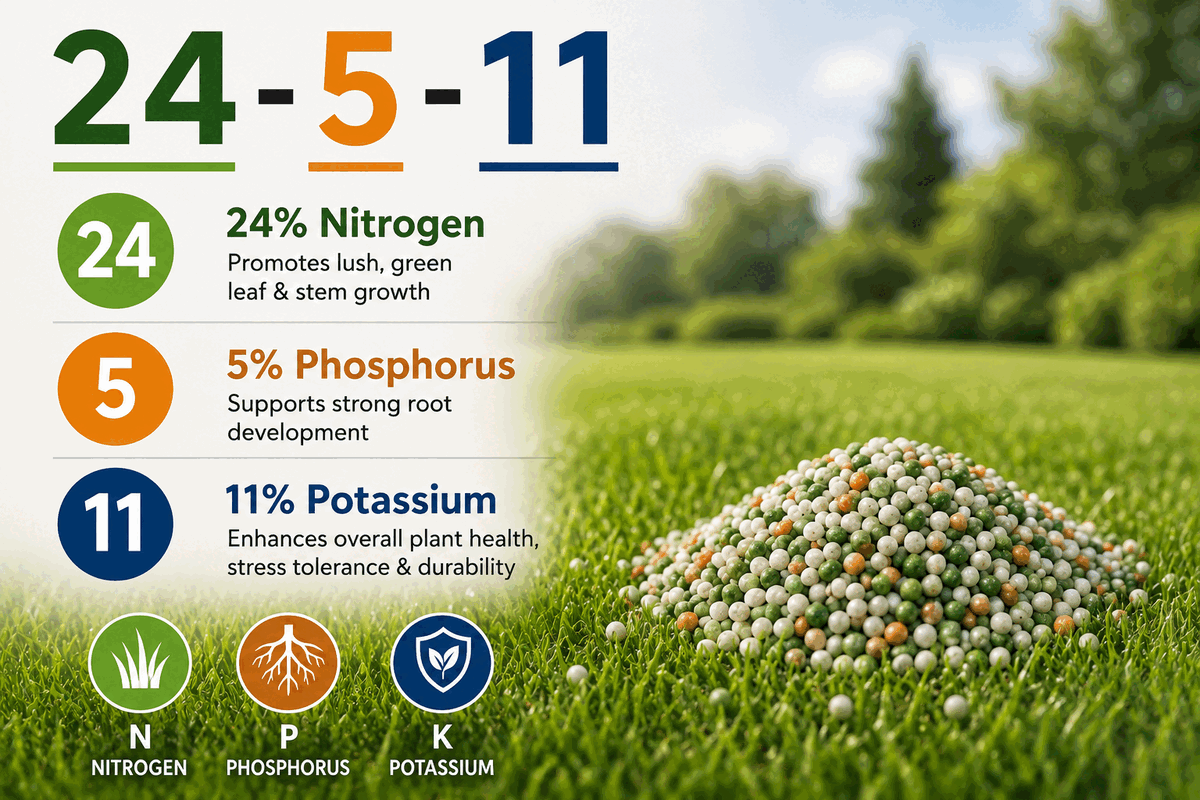
The first thing most people look at on a fertilizer bag is the NPK analysis. For example, a bag labeled 24-5-11 contains 24% nitrogen (N), 5% phosphorus (P), and 11% potassium (K). Each nutrient plays a different role in plant development.
Nitrogen (N)
Nitrogen drives growth, turf density, green color, and recovery from stress. Nitrogen is often the nutrient most responsible for visible turf response.
Phosphorus (P)
Phosphorus supports root development, seedling establishment, and energy transfer within the plant. This nutrient becomes especially important during establishment and overseeding programs.
Potassium (K)
Potassium helps improve drought tolerance, heat tolerance, disease resistance, and overall plant health. Think of potassium as the nutrient that helps turf withstand environmental stress.
Why Micronutrients Matter
While NPK gets most of the attention, micronutrients often determine whether turf performs exceptionally or simply survives. Micronutrients commonly found in fertilizer include iron, manganese, zinc, copper, boron, magnesium, calcium, and sulfur.
These nutrients are required in smaller amounts, but they still play critical roles in turf performance. Potential benefits include improved color, better germination, increased stress tolerance, improved nutrient uptake, and enhanced soil health.
One of the advantages of locally blended fertilizer formulations like TurfGro is the ability to address nutrient deficiencies commonly found within a specific market area.
Contractor Tip: A lawn can have sufficient NPK levels and still perform poorly if important micronutrients are lacking.
Slow Release vs. Quick Release Fertilizer
One of the biggest decisions in any fertility program is choosing between quick-release and slow-release nitrogen sources.
Quick Release Fertilizer
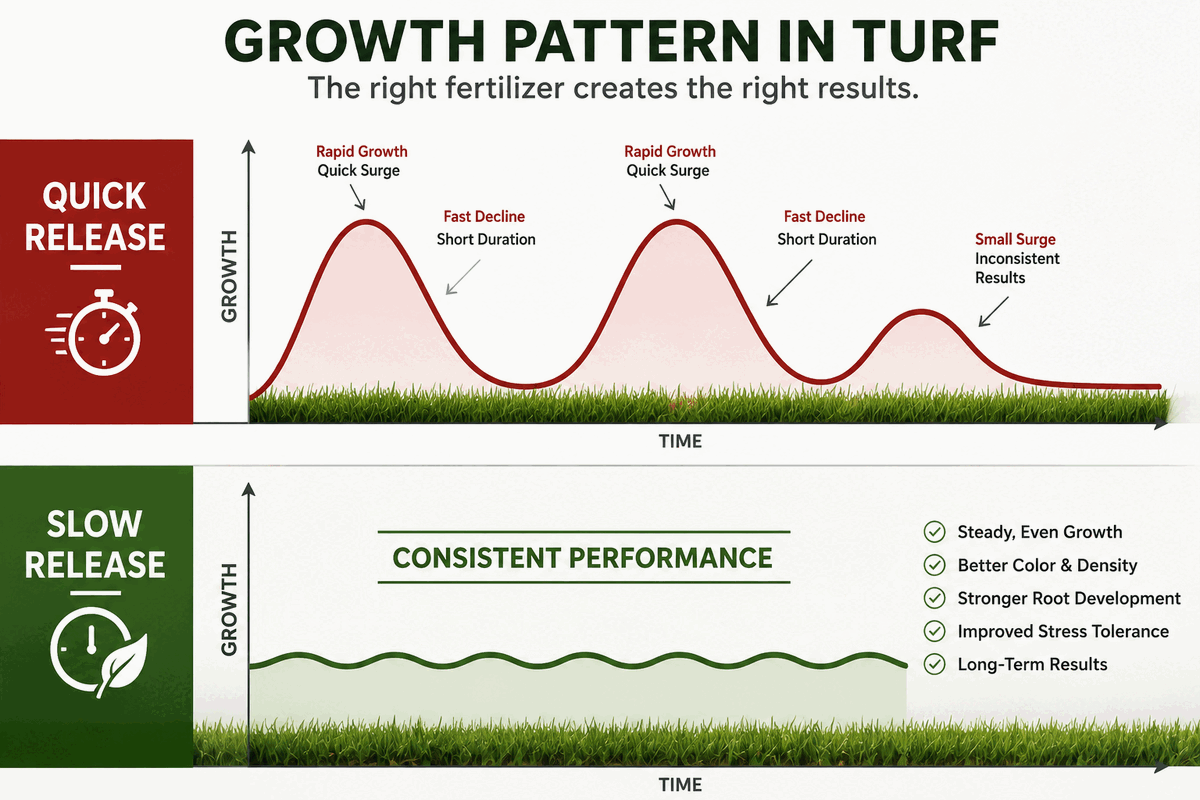
Advantages: Faster green-up, lower initial bag cost, immediate plant response.
Disadvantages: Shorter performance window, more frequent applications, greater potential for nutrient loss, surge growth followed by decline.
Many quick-release programs last only four to six weeks.
Slow Release Fertilizer
Advantages: Consistent nutrient delivery, longer performance, improved nutrient efficiency, better root development, fewer applications.
Disadvantages: Higher upfront bag cost.
However, the higher bag price often becomes less significant when viewed across an entire season.
Growth Comparison
What’s Really in the Bag?
Not every fertilizer utilizes the same raw materials. A typical fertilizer blend contains nitrogen sources, phosphorus sources, potassium sources, micronutrients, and filler materials.
Why Filler Matters
Many lower-cost fertilizers rely heavily on inert filler materials that provide little or no nutritional value. Examples may include limestone and other low-value inert carriers. Higher-quality fertilizers often use more beneficial ingredients and may incorporate biosolids, organic-based materials, and additional nutrient sources. The goal is to maximize the amount of useful material delivered to the soil.
Why Pellet Size Matters
Fertilizer quality is not simply what goes into the bag. It’s also how those materials are manufactured. In blended fertilizers, nutrients remain separate within the product. If particle sizes vary significantly, segregation can occur during handling and spreading.
Benefits of uniform pellet size include better spreader performance, more consistent nutrient distribution, reduced separation during transport, and more uniform turf response. Quality manufacturing directly impacts application performance.
Learn more about proper application in How to Calibrate a Spreader for Efficient Landscaping.
Fertilizer Cost vs. Fertilizer Value
The biggest mistake contractors make is evaluating fertilizer based solely on bag price. Let’s look at a simple example.
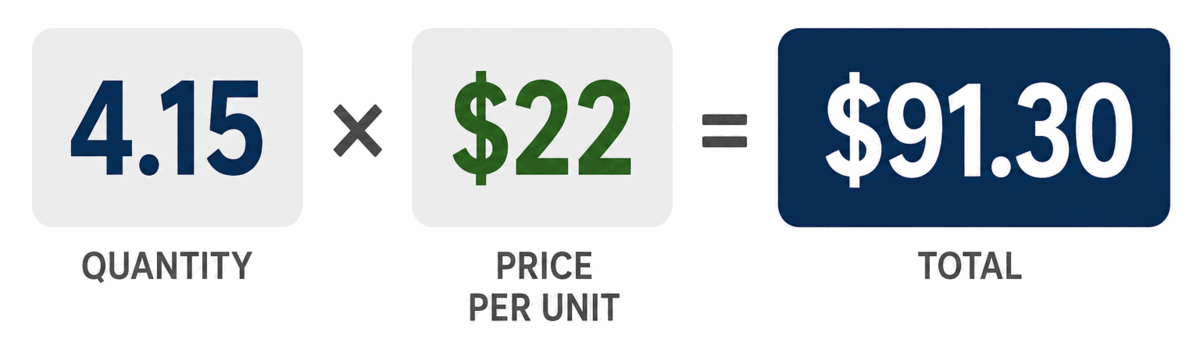
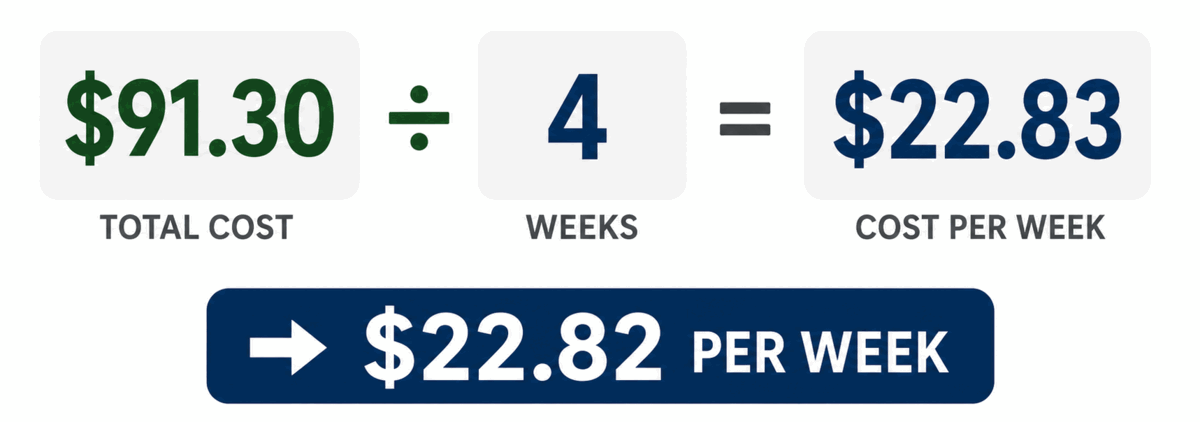
Quick Release Program
50-lb bag cost: $22
Number of bags needed per acre: 4.15
Slow Release Program
50-lb bag cost: $26
Number of bags needed per acre: 3.64
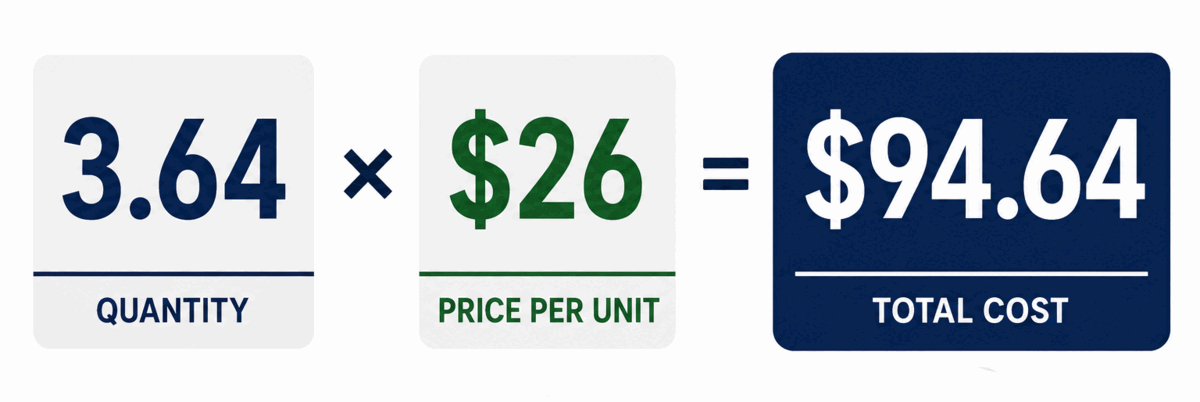
At first glance, the costs seem nearly identical. But now consider longevity.
Quick Release Duration: 4 weeks
Slow Release Duration: 8 weeks
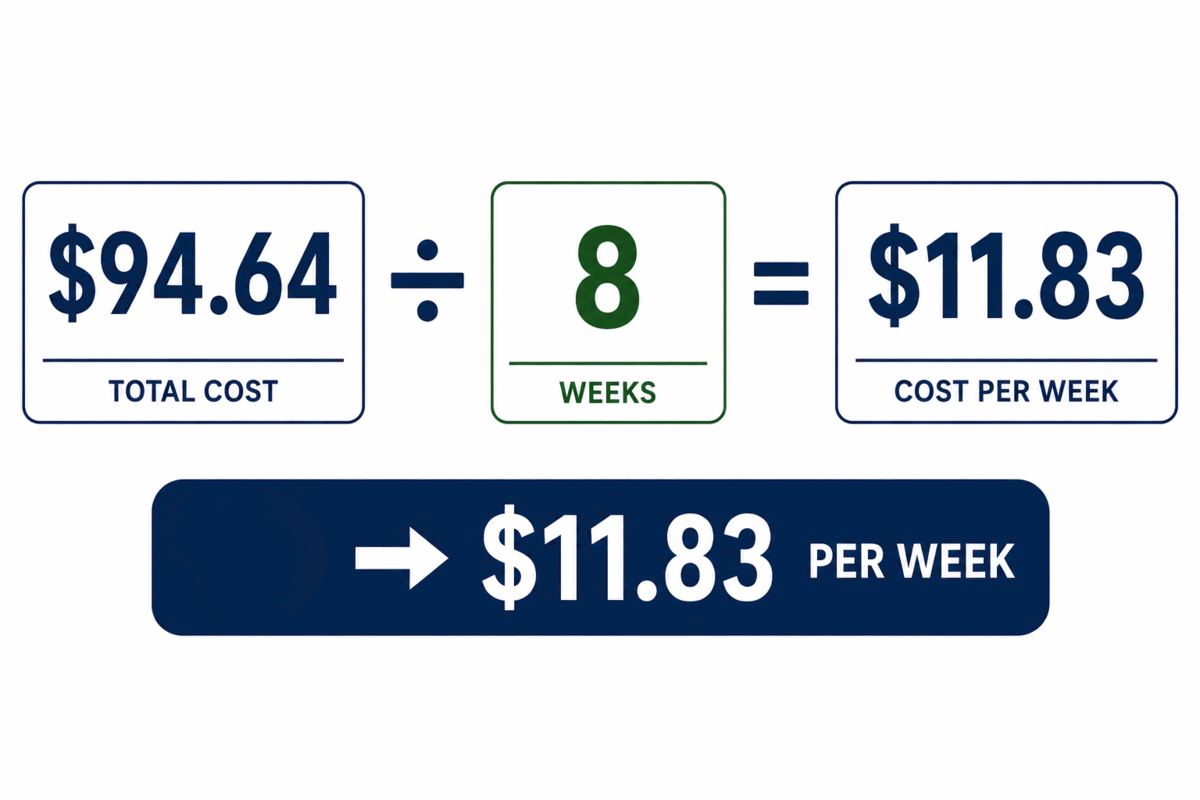
The more expensive bag often becomes the less expensive program.
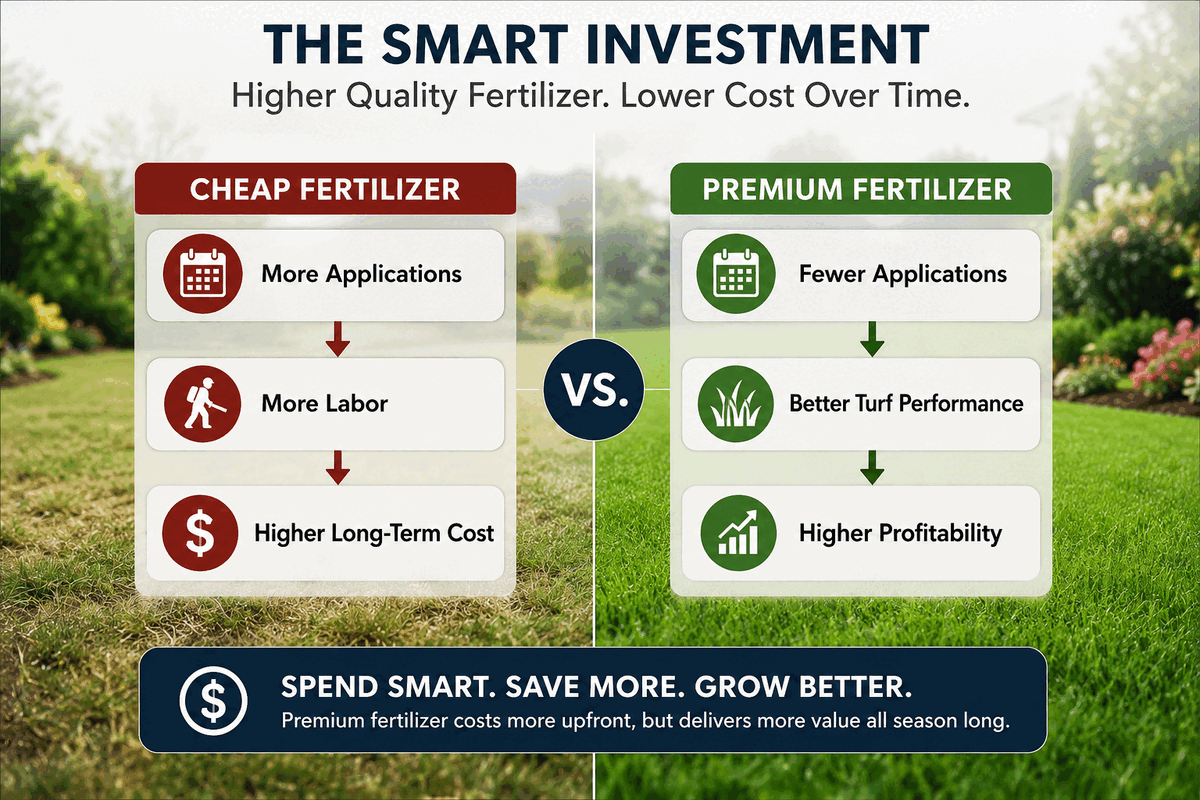
How Better Fertilizer Improves Contractor Profitability
The savings extend beyond fertilizer costs.
- Fewer Applications — Longer-lasting fertilizers reduce labor requirements.
- Reduced Fuel Costs — Fewer site visits mean less fuel consumption.
- Less Equipment Wear — Every application creates wear on trucks, spreaders, and equipment.
- Improved Customer Satisfaction — Healthier turf produces fewer complaints and stronger customer retention.
- More Consistent Turf Performance — Steady growth leads to better-looking properties throughout the season.
Should You Fertilize During Drought?
One of the most common misconceptions in turf management is that fertilizer should be completely eliminated during drought conditions. That’s not always true.
Myth #1: Fertilizer Will Burn the Turf
High-quality slow-release and organic-based fertilizers generally direct nutrient activity more toward roots and crowns than excessive shoot growth.
Myth #2: Scalping Helps Turf Survive
Lower mowing heights actually increase stress. During periods of heat and drought, mowing heights should generally increase.
Myth #3: Water Restrictions Mean Turf Will Die
Proper irrigation scheduling and good soil health can significantly improve drought resilience.
Myth #4: Water Will Just Run Off Anyway
Healthy soils retain moisture better. Improving soil structure increases infiltration and storage capacity.
Myth #5: Green Turf Means Water Waste
Products such as humic acids, wetting agents, and soil surfactants can improve water use efficiency while maintaining acceptable turf quality. The goal during drought is not aggressive growth — it’s maintaining turf health until favorable conditions return.
Learn more in Stop Fertilizing in Drought? No!
Building a Seasonal Fertilizer Program
The most successful contractors adjust fertility programs based on season rather than applying the same product year-round.
Spring
Objectives: Recovery, green-up, root activation
Summer
Objectives: Stress management, water efficiency, consistent performance
Fall
Objectives: Root development, winter preparation, recovery from seasonal stress
Winter
Objectives: Soil improvement, planning, program adjustments
Healthy Turf Starts with Healthy Soil
The best fertilizer program doesn’t focus solely on feeding the grass. It focuses on improving the entire growing environment. Successful landscape professionals consider:
- NPK requirements
- Micronutrient needs
- Soil biology
- Organic matter
- Water management
- Nutrient efficiency
- Seasonal demands
When these factors work together, turf becomes healthier, more resilient, and more profitable to manage.
Common Fertilizer Mistakes Contractors Make
- Choosing Based on Price Alone — Bag cost should never be the only decision factor.
- Chasing Color Instead of Health — Dark green turf does not always indicate healthy turf.
- Ignoring Micronutrients — Micronutrient deficiencies often limit performance.
- Applying Excessive Nitrogen — More growth frequently means more mowing, not better turf.
- Using the Same Product Year-Round — Seasonal conditions require seasonal strategies.
- Forgetting About Soil Health — Healthy soil creates healthy turf.