
- Categories:
- Maintenance
- Landscaping
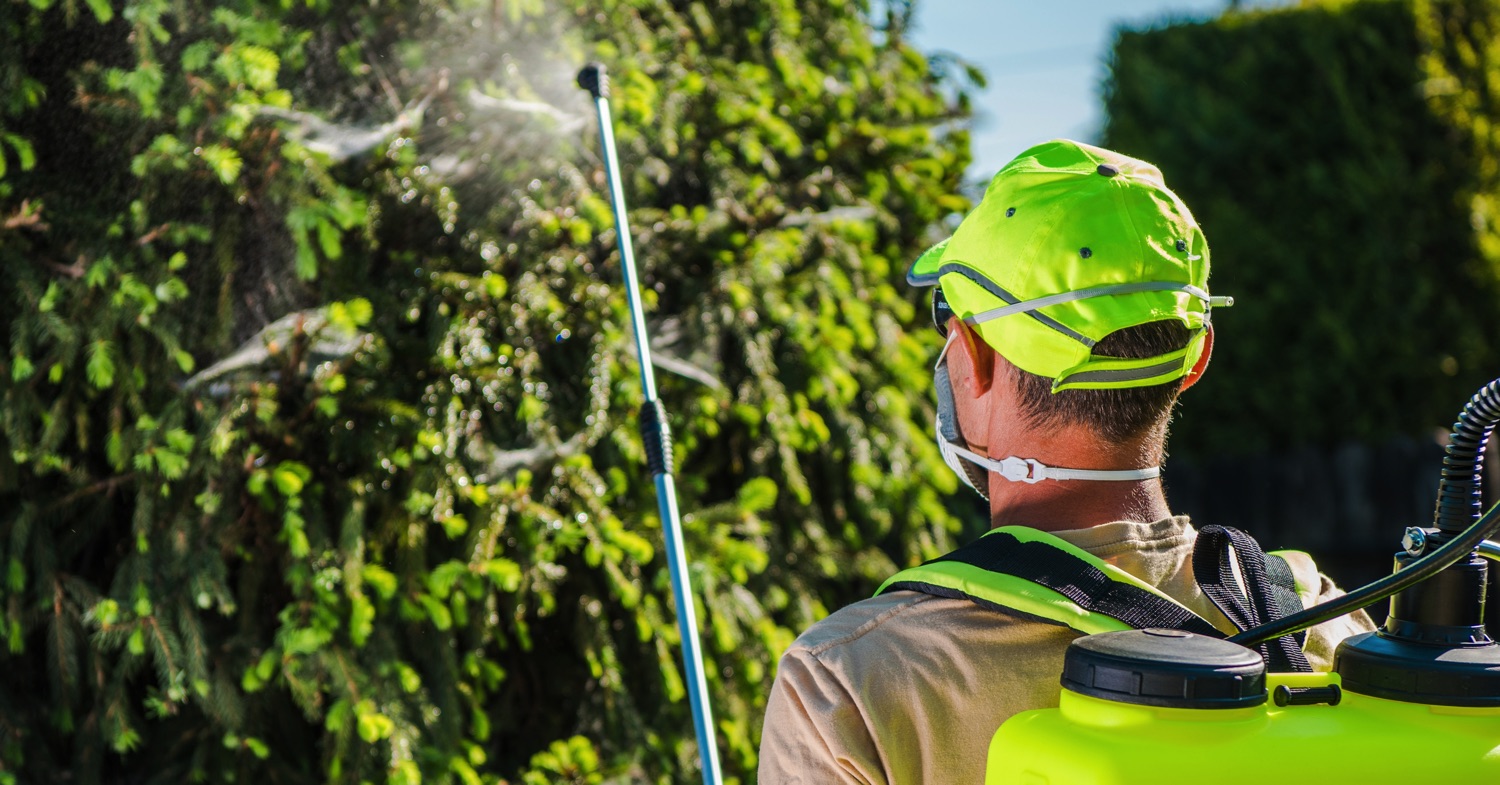
Pesticides are a vital part of any landscaper’s toolkit. When used safely and effectively, pesticides help lawns, gardens, and client properties thrive by controlling unwanted pests. However, proper pesticide application and knowledge are essential to protect people, pets, and the environment.
Horizon has created this comprehensive pesticide guide for landscapers and lawn care professionals looking to protect and enhance their clients’ outdoor spaces.
Integrated Pest Management (IPM): The Foundation of Smart Pest Control
Successful pest management is about much more than applying pesticides. The most effective landscape professionals use an Integrated Pest Management (IPM) approach that combines monitoring, prevention, cultural practices, and targeted pesticide applications to manage pests responsibly.
IPM focuses on solving the root causes of pest problems before they become widespread infestations.
Key Components of IPM
Pest Identification
Correctly identifying the pest is the first step toward selecting an effective treatment. Misidentification can lead to wasted applications, unnecessary costs, and poor results.
Monitoring and Scouting
Regular property inspections help identify pest issues early, often before significant damage occurs.
Look for:
-
Weed pressure
-
Insect feeding damage
-
Disease symptoms
-
Environmental stress factors
Cultural Controls
Healthy landscapes naturally resist many pest problems.
Examples include:
-
Proper mowing practices
-
Correct irrigation scheduling
-
Aeration and soil management
-
Proper fertilization
-
Improving drainage
Related Reading: Essential Agronomic Practices for Healthy Landscapes and Turf
Targeted Chemical Controls
When pest populations exceed acceptable thresholds, pesticides become an important part of the overall solution. IPM helps contractors use the right product, at the right rate, at the right time.
What Are Pesticides for Landscaping?
When most people think of pesticides, they picture sprays that target insects or weeds. However, the term “pesticide” refers to a broad category of products designed to control or eliminate a wide range of pests in landscapes and gardens.
The Department of Health defines a pest as: “any animal or plant which has a harmful effect on humans, their food or their living conditions.”
Common pests affecting landscapes include:
-
Insects that damage grass and ornamental plants
-
Weeds competing with desirable plants
-
Fungi causing plant diseases
-
Rodents that destroy landscapes or spread disease
Other Examples of Pests in Lawns and Gardens:
-
Damage to clothing or buildings
-
Biting or stinging people or pets
-
Spreading diseases
-
Damaging crops and stored food
-
Attacking or eating farm animals
While insects are the most common threat, pests can also include invasive plants, fungi, and various animals.
Choosing the Right Pesticide Starts with the Right Questions
Before selecting any pesticide, professional applicators should evaluate several factors.
Questions to Ask Before Treatment
-
What pest am I trying to control?
-
Is the pest actively causing damage?
-
What life stage is the pest in?
-
Is prevention or curative control needed?
-
What turfgrass or ornamental species are present?
-
Are there nearby water features or sensitive areas?
-
Is resistance management a concern?
Answering these questions helps ensure more effective treatments while reducing unnecessary pesticide applications.
Types of Pesticides Used by Landscapers
Not all pesticides are alike. Each type is specially formulated for specific pests and conditions. Understanding the right pesticide for your landscaping needs is key to effective and safe pest control.
Main Categories of Pesticides:
-
Herbicides: Target and remove weeds and invasive plants
-
Insecticides: Control harmful insects (mosquitoes, ants, beetles)
-
Fungicides: Treat plant diseases caused by fungi
-
Rodenticides: Manage mice, rats, and other rodents
Herbicides: Effective Weed Control for Landscapers
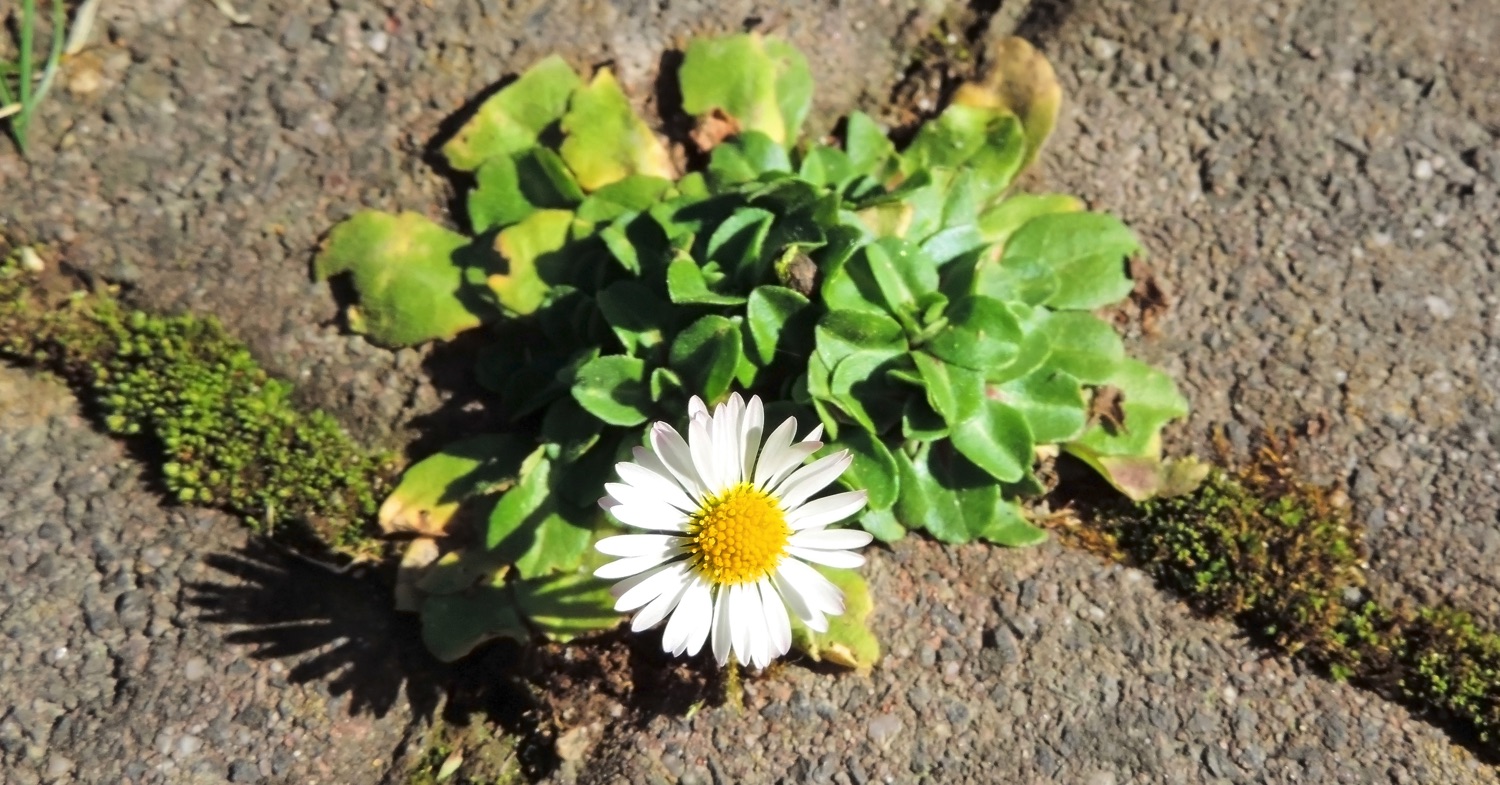
Herbicides are essential for managing unwanted plants, especially invasive weeds, in lawns and landscapes. Through a process called “selectivity,” many herbicides specifically target unwanted weeds while protecting desirable turfgrass and ornamentals. Herbicides work by disrupting certain enzymes within the weed, causing buildup of toxins and eventual plant death.
Types of Herbicides Offered by Horizon
-
Pre-emergent Herbicides: Used to prevent weed seeds from germinating. These should be applied when soil temperatures reach 55°F and must be thoroughly watered in to activate. Pre-emergent weed killers are ideal for proactive lawn care.
-
Post-emergent Herbicides: Designed to kill already existing weeds. They are further divided into:
-
Selective Herbicides: Target specific weed types without harming lawn grasses—crucial for turf management.
-
Non-selective Herbicides: Kill any plant they contact, making them suitable for spot treatments but risky near desired vegetation.
-
-
Aquatic Herbicides: Control aquatic weeds and algae in ponds, lakes, or fountains, with formulas that avoid groundwater contamination and protect aquatic wildlife.
Effective weed control depends on:
-
Identifying the weed species.
-
Understanding the type of turfgrass or vegetation present.
-
Knowing the weed's life cycle to choose between pre-emergent and post-emergent treatments.
Be cautious of wind drift when applying herbicides, especially non-selective formulations, to prevent damage to desirable plants.
Tip: Always follow the manufacturer’s label for safe herbicide application and optimal results.
Insecticides: Eliminating Insects in Lawns and Gardens
Insects not only create annoyances for clients but can also damage grass, flowers, trees, and shrubs. Effective insect control is crucial for healthy landscaping.
Common Lawn and Garden Pests Controlled by Insecticides:
-
Wasps and hornets
-
Mosquitoes
-
Slugs and snails
-
Pill bugs and saw bugs
-
Ants (fire ants, carpenter ants, etc.)
-
Aphids and mealybugs
-
Crane flies (mosquito hawks)
-
Armyworms, cutworms, leafminers
-
Fleas and ticks
-
Beetles and caterpillars
-
Grasshoppers and termites
Typical Signs of Insect Infestation:
-
Brown or dead patches in grass
-
Wilting or damaged plants and leaves
-
Bite marks on grass blades or leaves
-
Itchy or restless pets (possible flea/tick presence)
Educate your clients about these signs and offer professional pest control solutions tailored to their landscape’s needs.
How Insecticides Work
According to insect experts, such as Entomologist Dr. Alan T. Eaton, insecticides kill or deter pests in several ways:
-
Attacking the nervous system
-
Interrupting growth or maturation
-
Blocking oxygen absorption
-
Coating plants so insects consume the pesticide when feeding
Professional-Grade Insecticides from Horizon
Horizon provides a reliable selection of commercial-grade insecticides suitable for lawns, gardens, ornamental plants, sports fields, golf courses, and more.
Featured Product:
Mallet® 0.5G Turf Insecticide – Delivers fast, broad-spectrum, long-lasting grub and insect control with both preventive and curative benefits. Effective for grubs, billbugs, European crane flies, and more. (Always read and follow label instructions.)
Fungicides: Disease Control for Lawns and Ornamentals
Fungi such as rusts, molds, mildews, and blights can devastate lawns, gardens, and ornamental beds. Fungicides are specialized pesticides that prevent or eliminate fungal pathogens affecting turf, flowers, shrubs, and trees.
Common Lawn and Plant Diseases Caused by Fungi
-
Anthracnose
-
Brown Patch
-
Dollar Spot
-
Leaf Spots & Blights
-
Powdery Mildew
-
Snow Molds
-
Summer Patch
-
Stem, Crown, and Root Rot
-
Necrotic Ring Spot
Fungicides target fungi by disrupting cell membranes or interfering with energy production, effectively stopping fungal growth and disease spread.
Smart Fungicide Use in Landscaping
When using fungicides—especially for golf course turf, ornamentals, and high-value landscapes—it’s essential to prevent the development of fungicide resistance. Rotating products with different FRAC codes (Fungicide Resistance Action Committee identifiers) helps limit cross-resistance, ensuring ongoing effectiveness.
Understanding FRAC Codes and Fungicide Resistance
One of the biggest challenges in turf and ornamental disease management is fungicide resistance. Over time, repeated use of the same fungicide mode of action can allow certain fungal populations to survive treatment and become resistant.
What Are FRAC Codes?
FRAC stands for Fungicide Resistance Action Committee. Every fungicide is assigned a FRAC code that identifies its mode of action, or how it affects the fungal pathogen.
For example:
-
FRAC Group 3
-
FRAC Group 7
-
FRAC Group 11
Each group attacks the fungus differently.
Why FRAC Codes Matter
Applying the same FRAC group repeatedly can increase the likelihood of resistance development.
When resistance occurs:
-
Product performance declines
-
Disease outbreaks become more difficult to control
-
Treatment costs often increase
Best Practices for Resistance Management
Professional applicators should:
-
Rotate fungicides with different FRAC codes
-
Use labeled application rates
-
Avoid repeated applications of a single mode of action
-
Follow preventative disease management practices
-
Incorporate sound agronomic practices
A healthy turf stand supported by strong soil health often requires fewer corrective fungicide applications over time.
Horizon’s expertise: Our team assists landscape professionals in selecting the right fungicide and creating resistance management programs for comprehensive lawn and plant disease control.
Related Reading: Essential Agronomic Practices for Healthy Landscapes and Turf
Rodenticides: Safe Rodent Control in Landscaping
Rodenticides are pesticides formulated to manage rodent populations—such as rats, mice, gophers, squirrels, rabbits, and chipmunks—that can damage lawns and landscapes. While rodents have ecological benefits, overpopulation can result in significant property and plant damage.
Key Solutions for Rodent Control
-
Poison Baits in Tamper-Resistant Stations: These combine food attractants with rodenticidal ingredients. Stations protect non-target animals, pets, and children from accidental exposure.
-
Traps: From baited traps to set-and-release options, traps help control rodents like gophers and moles.
-
Animal Repellents: Non-lethal solutions for keeping rodents and other animals such as deer and rabbits away without harm.
Signs of Rodent Damage:
-
Tunneling in lawns
-
Raised lawn sections
-
Damaged plants and disrupted root systems
-
Ragged or stripped bark on trees and shrubs
Educate your clients about rodent-related landscape damage. Horizon provides a wide variety of rodenticides, traps, and humane repellents for professional landscape pest management.
Important: Always use rodenticides according to label directions to protect humans, pets, and wildlife.
Seasonal Pest Management Calendar for Landscape Professionals
Different pest pressures emerge throughout the year. A seasonal approach allows contractors to stay ahead of problems before they impact clients' properties.
Spring
As soils warm and plants emerge from dormancy, preventative management becomes critical.
Focus Areas:
-
Apply pre-emergent herbicides
-
Scout for emerging weed populations
-
Monitor for early insect activity
-
Begin disease monitoring
-
Evaluate winter damage
Summer
Heat and humidity increase stress on turf and landscapes.
Focus Areas:
-
Monitor for grubs and armyworms
-
Watch for turf diseases
-
Evaluate irrigation performance
-
Treat active weed outbreaks
-
Inspect ornamental plants for insects
Fall
Fall often represents one of the best opportunities to strengthen turf and landscapes.
Focus Areas:
-
Control winter annual weeds
-
Perform soil testing
-
Aerate compacted turf areas
-
Evaluate drainage concerns
-
Improve root development before winter
Related Reading: Tips on Aerating Your Lawn
Winter
Winter is the ideal time for planning and prevention.
Focus Areas:
-
Review pesticide inventory
-
Plan spring applications
-
Evaluate previous pest challenges
-
Train crews on safety procedures
-
Inspect equipment for upcoming seasons
Safe & Legal Application of Pesticides
Best Practices for Landscapers:
-
Always follow label directions.
Application methods must comply with both state and federal pesticide laws. -
Use personal protective equipment (PPE) when handling or applying pesticides.
-
Store products securely—away from children, pets, and water sources.
-
Educate your staff and clients on the importance of safe, responsible pesticide use.
Pesticides Work Best as Part of a Larger Landscape Health Program
The most successful landscape professionals understand that pesticides are only one component of long-term landscape performance.
Healthy landscapes are built through:
-
Proper soil management
-
Effective irrigation
-
Turf aeration
-
Nutrient management
-
Good drainage
-
Regular monitoring
When these practices are combined with responsible pesticide applications, clients enjoy healthier landscapes with fewer recurring pest problems.
Related Resources
Applying pesticides in any way not specified on the label is illegal and can be hazardous to people, pets, and the environment.
Still not sure which pesticide options are best for you? Horizon helps landscape professionals prescribe the best pesticide solutions for their properties. Contact us today to learn more!